Horse, Dog, Cat, Nosodes
Equine Solutions Catalog Page 22a
NOSODES - by
(The Holistic Vet Clinic)

Herbal Wormer & Eye Health Support Herbs (Uveitis/Glaucoma)
Equine Equine-Zyme, Dog and Cat Equine-Zyme, Beta Glucan, Joint-Zyme, MSM, Glucosamine,
Mare, Foal, Stallion, Senior Zyme, Yeasture for non-equine livestock,
Cushings, EPM, Hoof Builder, Tummy-Zymes
Pure Herbs and Herb Blends
Nosodes
Nosodes are Homeopathic Immunizations that are given in tiny sugar pill form,
monthly, that have no side effects, and are very effective in disease prevention.
all are 30C strength
See article below.
HORSES
1 dram bottles will last up to 5 horses 1 yr. 2 dram will last up to 10 horses 1. yr.
You can administer the little sugar pills between their lip and gums or you
can make a spray to spray on the gums. To build up the immune system,
Start out 1 time for 3 days in a row,
then 1 time per week for a month and then 1 time a month from there on to
maintain constant built up immune system.
If your horse, dog or cat already has an illness, we have homeopathic
protocols for them. Just email me to inquire: questions@myfineequine.com
Equine Herpes Virus 1 dram or 2 dram

Equine herpesvirus 1
From Wikipedia, the free encyclopedia
Jump to: navigation, search
Equine herpesvirus 1
Virus classification
Group: Group I (dsDNA)
Family: Herpesviridae
Genus: Varicellovirus
Species: Equine herpesvirus 1 (EHV-1)
Equine herpesvirus 1 (EHV-1) is a virus of the family Herpesviridae that causes abortion in horses. Initial spread
of EHV-1 by a newly introduced horse through direct and indirect contact can lead to abortion and perinatal infection
in up to 70 percent of a previously unexposed herd.[1] Abortion usually occurs in the last four months of gestation,
two to four weeks after infection of the mare.[2] Perinatal (around the time of birth) infection can lead to pneumonia
and death. Encephalitis can occur in affected animals, leading to ataxia, paralysis, and death. There is a vaccine
available, however it’s efficacy is questionable.
Recent molecular epidemiology studies have identified a single nucleotide polymorphism (SNP) which varies between
EHV-1 field isolates and shows a highly statistically significant correlation with paralytic compared with non-paralytic
disease outbreaks [3] . The SNP corresponds to a single amino acid change in the DNA polymerase enzyme, which is
an essential enzyme for replication of viral DNA. This is a significant finding, suggesting that a point mutation
in a single virus gene has a major impact upon likely disease severity during an outbreak.
In 2006, an outbreak of EHV-1 among stables in Florida resulted in the institution of various quarantine measures.[4]
The outbreak was determined to have originated with several horses imported from Europe via New York, and then
shipped to Florida.[5]
[edit] References
^ Fenner, Frank J.; Gibbs, E. Paul J.; Murphy, Frederick A.; Rott, Rudolph; Studdert, Michael J.; White, David
O. (1993). Veterinary Virology (2nd ed.). Academic Press, Inc. ISBN 0-12-253056-X.
^ Carter, G.R.; Flores, E.F.; Wise, D.J. (2006). Herpesviridae. A Concise Review of Veterinary Virology. Retrieved
on 2006-06-08.
^ Nugent J, Birch-Machin I, Smith K, Mumford J, Swann Z, Newton J, Bowden R, Allen G & Davis-Poynter N. Analysis
of Equid Herpesvirus 1 Strain Variation Reveals a Point Mutation of the DNA Polymerase Strongly Associated with
Neuropathogenic versus Nonneuropathogenic Disease Outbreaks. Journal of Virology. Retrieved on 2007-02-02.
^ Equine Herpes Virus type1 Status Report – Florida. Florida Department of Agriculture and Consumer Services. Retrieved
on 2007-01-05.
^ EHV-1, Outbreak Background. Florida Department of Agriculture and Consumer Services. Retrieved on 2007-01-05.
This virus-related article is a stub. You can help by expanding it.
This veterinary medicine related article is a stub. You can help by expanding it.
Retrieved from "http://en.wikipedia.org/wiki/Equine_herpesvirus_1"
Categories: Virus stubs | Veterinary medicine stubs | Herpesviruses | Horse diseases | Animal virology
Equine herpesvirus 2
From Wikipedia, the free encyclopedia
Jump to: navigation, search
Equine herpesvirus 2
Virus classification
Group: Group I (dsDNA)
Family: Herpesviridae
Genus: Rhadinovirus
Species: Equine herpesvirus 2 (EHV-2)
Equine herpesvirus 2 (EHV-2) is a virus of the family Herpesviridae, originally known as equine cytomegalovirus
due to its slow replication in tissue culture. However, complete sequencing of the EHV-2 genome has demonstrated
that it is a member of the subfamily Gammaherpesvirinae, in the genus Rhadinovirus .[1] . It has an uncertain role
in respiratory disease in horses, but EHV-2 has been isolated from cases exhibiting symptoms such as coughing,
conjunctivitis, and swollen submaxillary and parotid lymph nodes.[2]
[edit] References
^ Telford EA, Watson MS, Aird HC, Perry J & Davison AJ.. "The DNA sequence of equine herpesvirus 2".
^ Fenner, Frank J.; Gibbs, E. Paul J.; Murphy, Frederick A.; Rott, Rudolph; Studdert, Michael J.; White, David
O. (1993). Veterinary Virology (2nd ed.). Academic Press, Inc. ISBN 0-12-253056-X.
This virus-related article is a stub. You can help by expanding it.
This veterinary medicine related article is a stub. You can help by expanding it.
Retrieved from "http://en.wikipedia.org/wiki/Equine_herpesvirus_2"
Categories: Herpesviruses | Horse diseases | Animal virology | Virus stubs | Veterinary medicine stubs
Equine herpesvirus 3
From Wikipedia, the free encyclopedia
Jump to: navigation, search
Equine herpesvirus 3
Virus classification
Group: Group I (dsDNA)
Family: Herpesviridae
Genus: Varicellovirus
Species: Equine herpesvirus 3 (EHV-3)
Equine herpesvirus 3 (EHV-3) is a virus of the family Herpesviridae that affects horses. It causes a disease known
as equine coital exanthema. The disease is spread through direct and sexual contact and possibly through flies
carrying infected vaginal discharge.[1] EHV-3 has an incubation period of as little as two days.[2] Signs of the
disease include pustules and ulcerations of the vagina, penis, prepuce, and perineum. Lesions may also be seen
on the lips and teats. Usually the only symptom seen is a decreased libido in stallions. The lesions heal within
two weeks.[2] As with other herpes viruses, the virus remains latent in the host for life. Carrier animals can
sometimes be identified by spots of pigment loss on black skin in the genital region. EHV-3 is best prevented by
taking note of present clinical signs and keeping infected horses isolated and breeding stock from sexual contact
with other horses. Antibiotic ointments should be used on the lesions to prevent secondary bacterial infections
and hasten the healing process. It is also important to use disposable gloves and instruments in veterinary exams
as the virus can be spread by using contaminated equipment.
[edit] References
^ Carter, G.R.; Flores, E.F.; Wise, D.J. (2006). Herpesviridae. A Concise Review of Veterinary Virology. Retrieved
on 2006-06-08.
^ a b Fenner, Frank J.; Gibbs, E. Paul J.; Murphy, Frederick A.; Rott, Rudolph; Studdert, Michael J.; White, David
O. (1993). Veterinary Virology (2nd ed.). Academic Press, Inc. ISBN 0-12-253056-X.
This virus-related article is a stub. You can help by expanding it.
This veterinary medicine related article is a stub. You can help by expanding it.
Retrieved from "http://en.wikipedia.org/wiki/Equine_herpesvirus_3"
Categories: Horse diseases | Herpesviruses | Animal virology | Virus stubs | Veterinary medicine stubs
Equine herpesvirus 4
From Wikipedia, the free encyclopedia
Jump to: navigation, search
Equine herpesvirus 4
Virus classification
Group: Group I (dsDNA)
Family: Herpesviridae
Genus: Varicellovirus
Species: Equine herpesvirus 3 (EHV-3)
Equine herpesvirus 4 (EHV-4) is a virus of the family Herpesviridae that cause rhinopneumonitis in horses. It is
the most important viral cause of respiratory infection in foals.[1] Like other herpes viruses, EHV-4 causes a
lifelong latent infection in affected animals. These horses are usually the source for new infection for foals
over two months old, weanlings, and yearlings. Symptoms include fever, loss of appetite, and discharge from the
nose. Most infected animals recover in one to three weeks,[2] but death can occur in environments with overcrowding
and other stress factors. There is a vaccine available.
[edit] References
^ Fenner, Frank J.; Gibbs, E. Paul J.; Murphy, Frederick A.; Rott, Rudolph; Studdert, Michael J.; White, David
O. (1993). Veterinary Virology (2nd ed.). Academic Press, Inc. ISBN 0-12-253056-X.
^ Carter, G.R.; Flores, E.F.; Wise, D.J. (2006). Herpesviridae. A Concise Review of Veterinary Virology. Retrieved
on 2006-06-04.
This virus-related article is a stub. You can help by expanding it.
This veterinary medicine related article is a stub. You can help by expanding it.
Retrieved from "http://en.wikipedia.org/wiki/Equine_herpesvirus_4"
Categories: Herpesviruses | Horse diseases | Animal virology | Virus stubs | Veterinary medicine stubs
URGENT EHV1 Outbreak all over FB. Waco Tx,
URGENT for EHV1 Outbreak info.
Get the EPM - Herpes combo with EHV1 NOSODE 1 or 2 dram size. You can treat with and use for prevention.
Ask for instructions. See this link for the nosode, and in Immune Support Catagory get the Liquid Target Factors
for immune boosting.
And in the EPM - Herpes catagory...Use the Choline or the EPM supplement has Choline and Vit E etc is a Neuro Transmitter.
Read all the info in the web based newsletter.
Nosode teaches the body/immune system how to kill it.
Transfer Factors help the immune system to kill invaders.
NOSODE
https://myfineequinecart.com/catalog/product_info.php?cPath=54&products_id=288
Liquid Target Factors Immune boost
https://myfineequinecart.com/catalog/product_info.php?cPath=69&products_id=119
16 days worth or get 2 for 24 days worth or the gallon size Gut help and Transfer Factors for immune system.
Blessings and Prayers for everyone. These give me peace of mind and they work.
.jpg)
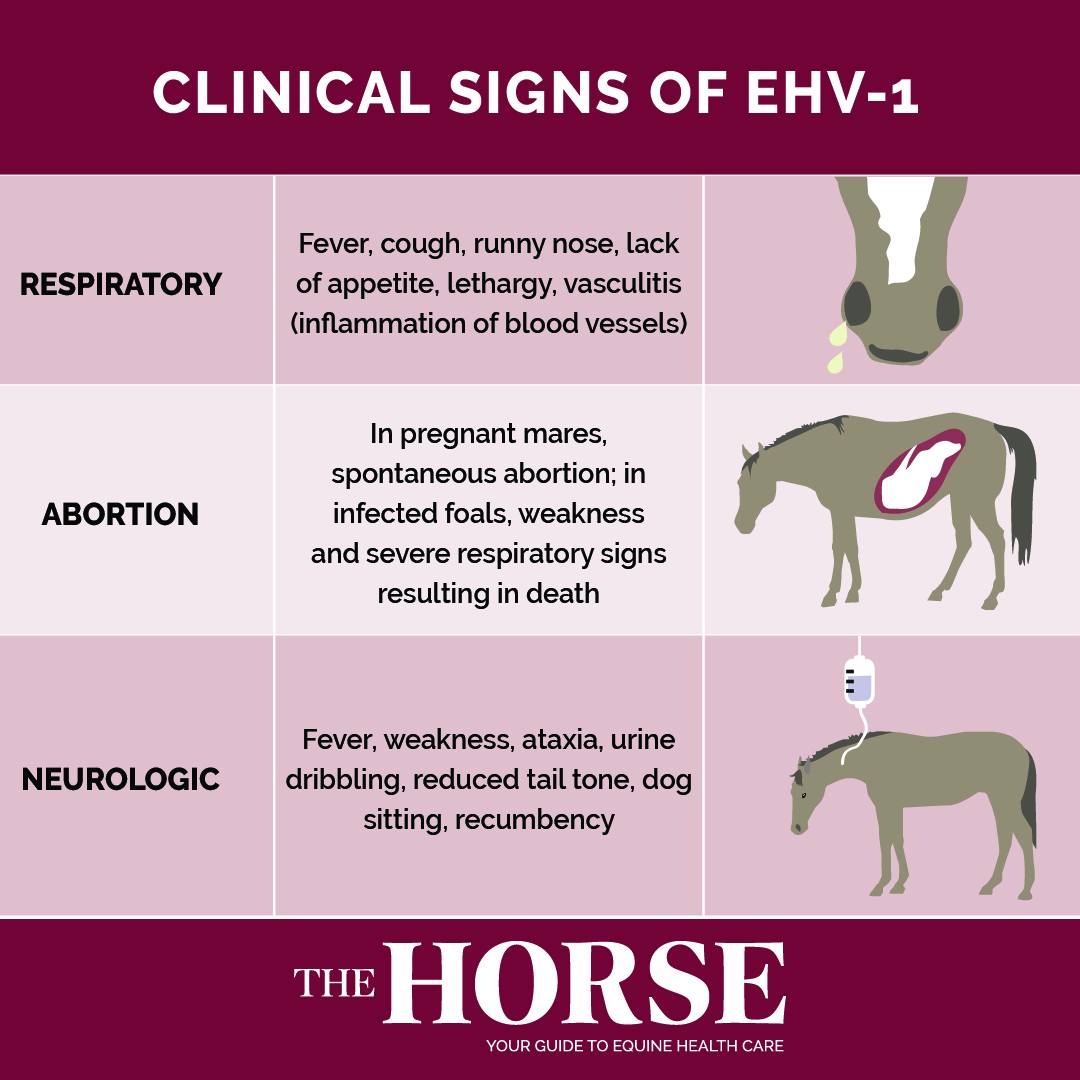
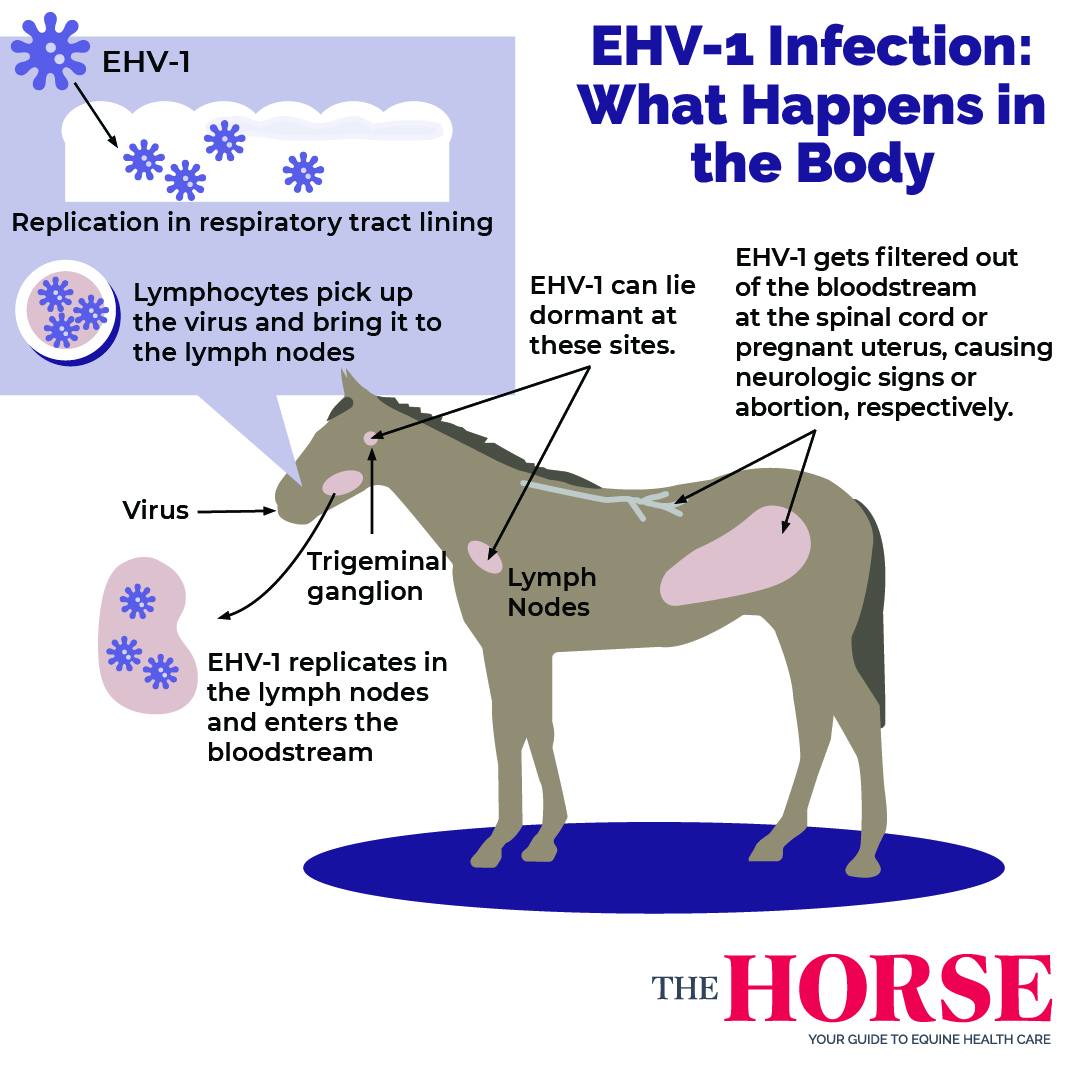
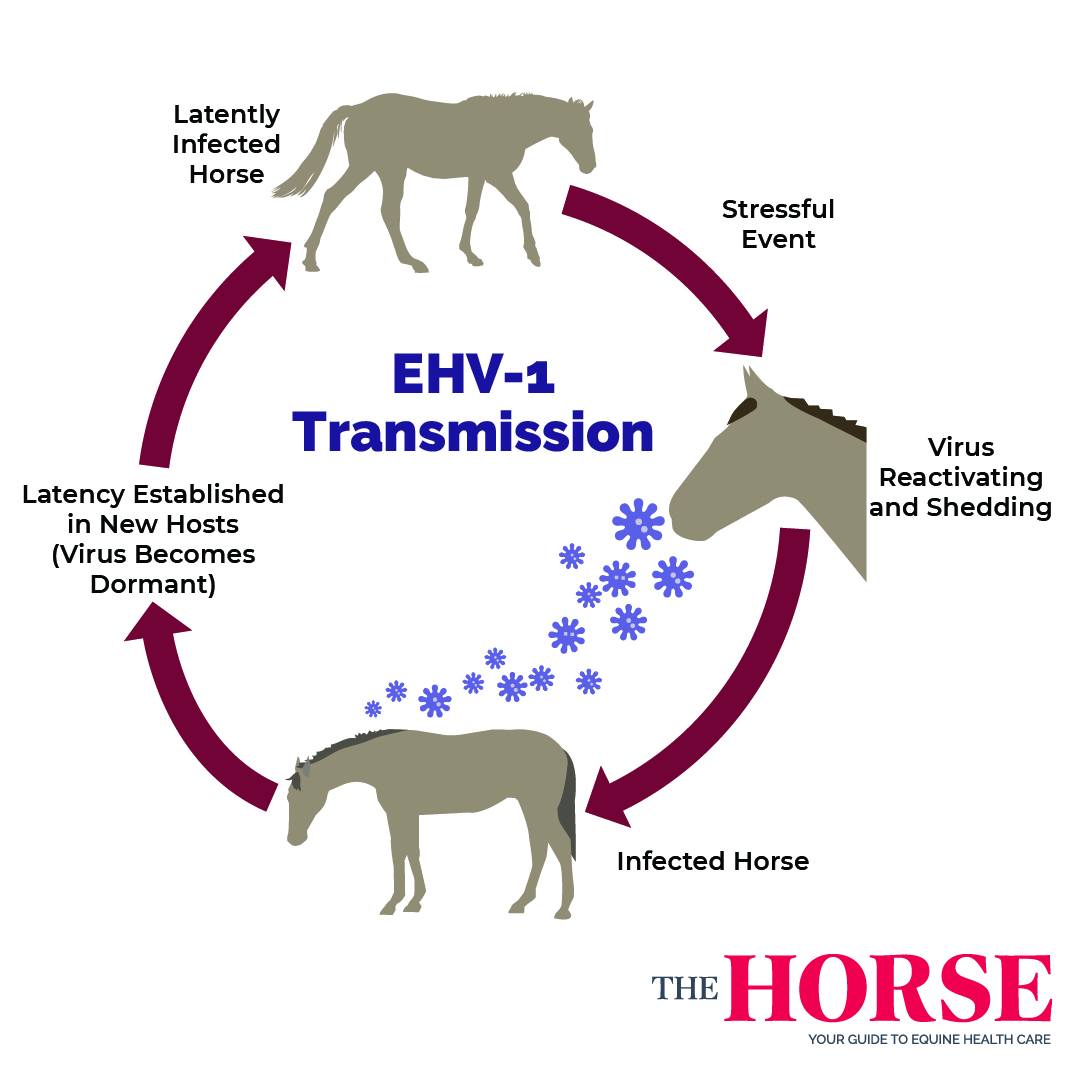
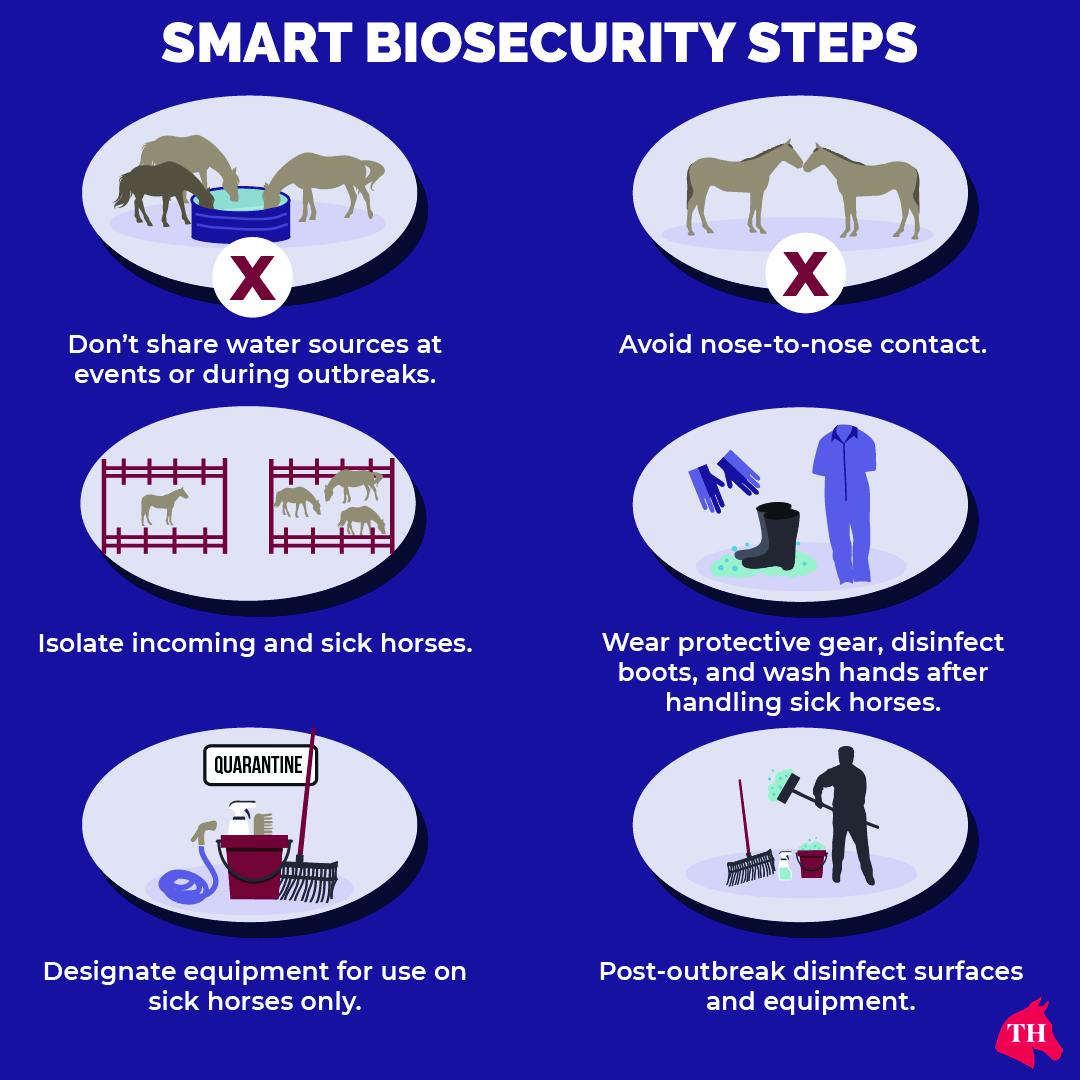
This Is How Easily It Spreads.
People are saying, “It will be fine”.
NO!. That’s not how viruses work.
Here’s the real scenario:
• You walk up to watch a friend .
• You are in a sale barn
• A horse nearby sneezes or blows.
• You don’t think anything of it — the horse looks perfectly healthy.
• The virus lands on your coat, boots, or gloves.
• You go back to your trailer or barn and handle your own horse…
• And now your horse is exposed.
They don’t have to touch noses.
They don’t need a fever.
They don’t even need symptoms.
EHV spreads through airborne droplets, contaminated clothing, pens, alleyways, trailers, and stalls — just like
COVID, but for horses.
A perfectly normal-looking horse can shed the virus LONG before showing signs. That’s why outbreaks explode after
large events.
Every State Is Now at Risk
Horses are leaving Texas, Oklahoma, and other major sales, shows right now and heading back to their home states.
Nobody knows who walked past who, who shared an alleyway, who stood along a fence, or which farriers, vets, and
trainers, traders, traveled between barns or states
This is exactly how multi-state outbreaks happen.
Please consider canceling or rescheduling events that were scheduled for the next couple of weeks.
It is not worth spreading this further and risking more horses’ lives.
No event is worth putting more horses at risk, OR the horses that stay home who could be exposed secondhand.
Why This Virus Is Terrifying
EHV can spread through:
• Nasal discharge & aerosol droplets
• Shared tack, brushes, buckets, stalls, or trailers
• HUMAN hands, coats, boots, gloves, hair
• Horses shedding virus before symptoms
• Stress from hauling, weather changes, training, or routine handling
Once infected, horses become lifelong carriers, and stress can trigger them to shed the virus again.
Symptoms You MUST Watch For
• Fever (normal is 99.5–101.5°F)
• Nasal discharge
• Coughing
• Lethargy
• Enlarged lymph nodes
• Hind-end weakness or wobbliness
• Stumbling or incoordination
• Urine dribbling
• Inability to stand
• Pregnant mares may abort
If you see anything unusual — call your vet immediately.
Do NOT haul your horse in unless your vet instructs you to.
If Your Horse Has Traveled Recently
ANY recent travel to shows, jackpots, rodeos, sale barns means your horse needs strict Quarantine for 14–21 days:
• No nose-to-nose contact
• Full separation from the herd
• Separate water buckets, brushes, hay nets, and feed pans
• Change clothes between horses
• Take temperatures twice a day
• Absolutely NO hauling during quarantine
And please — be honest with your trainer, barn owner, and vet.
Biosecurity Matters More Than Ever
• Disinfect trailers, stalls, buckets, tack
• Remove dirt first — disinfectant does not work on organic material
• Use a 1:10 bleach solution or a veterinarian-approved disinfectant
• Allow all surfaces to dry fully
• Ask your farrier where they’ve been
• Ask whether they’re disinfecting tools and changing clothes
It’s not just shows.
It’s the people coming in and out.
Vaccines
• Do NOT vaccinate a horse that may have been exposed.
• Horses with no exposure should get an EHV booster if it’s been over 90 days.
Please — GO HOME. STAY HOME.
Producers and Event Organizers:
I know rescheduling is difficult and cancellations mean losing money, but PLEASE consider postponing or canceling
clinics, shows, rodeos, and barrel races until this settles.
Let’s shut this virus down before more horses are lost.
This isn’t about fear.
This is being responsible .
Stay safe, take precautions, and protect your horses. They depend on you. ????
I have Homeopathic NOSODE Herpes multi strains plus extra EHV1 to treat those exposed and to prevent for those
not exposed.
Homeopathic NOSODES catagory.
And under the IMMUNE Support Catagory a liquid gut beneficial with Transfer Factors formula for boosting immune
system.
Please DM/Email./Text/CAll me for help. I use these for mine and have for eons now. DM me.
Equine herpesvirus
From Wikipedia, the free encyclopedia
(Redirected from Equine herpes virus)
Jump to: navigation, search
Equine herpesvirus is a group of viruses of the family Herpesviridae that affect horses.
Equine herpesvirus 1 of the subfamily Alphaherpesvirinae and genus Varicellovirus
Equine herpesvirus 2 of the subfamily Gammaherpesvirinae and genus Rhadinovirus
Equine herpesvirus 3 of the subfamily Alphaherpesvirinae and genus Varicellovirus
Equine herpesvirus 4 of the subfamily Alphaherpesvirinae and genus Varicellovirus
Equine herpesvirus 5 of the subfamily Gammaherpesvirinae and genus Rhadinovirus
Retrieved from "http://en.wikipedia.org/wiki/Equine_herpesvirus"
Categories: Horse diseases | Herpesviruses
Use the Navigation Bars for quick and easy access.
 |
 |
 |
 |
 |
 |
 |
 |
 |
 |
 |
 |
 |
 |
 |
 |
 |
 |
 |
 |
 |
 |
 |
 |
 |
 |
 |
 |
 |
 |
 |
 |
 |
 |
 |
 |
 |
 |
 |
 |
 |
 |
_left.gif) |
 |
 |
 |
 |
_right.gif) |
 |
 |
 |
 |
 |
 |
You can contact us by Snail Mail at: